Grade A Warehouses For E-Commerce: Infrastructure Requirements

The infrastructure of modern warehousing has changed a lot over the years with Grade A warehouses having wide structural grids, ample dock provision and many more.
In this blog we will be discussing more about the same. You will know what Grade A warehouses are, what are the infrastructure requirements for e-commerce business, how they are beneficial and why to choose our Leasing warehouse service in Hyderabad at SCLAR SPACES for scaling your business.
What Is A Grade A Warehouse?
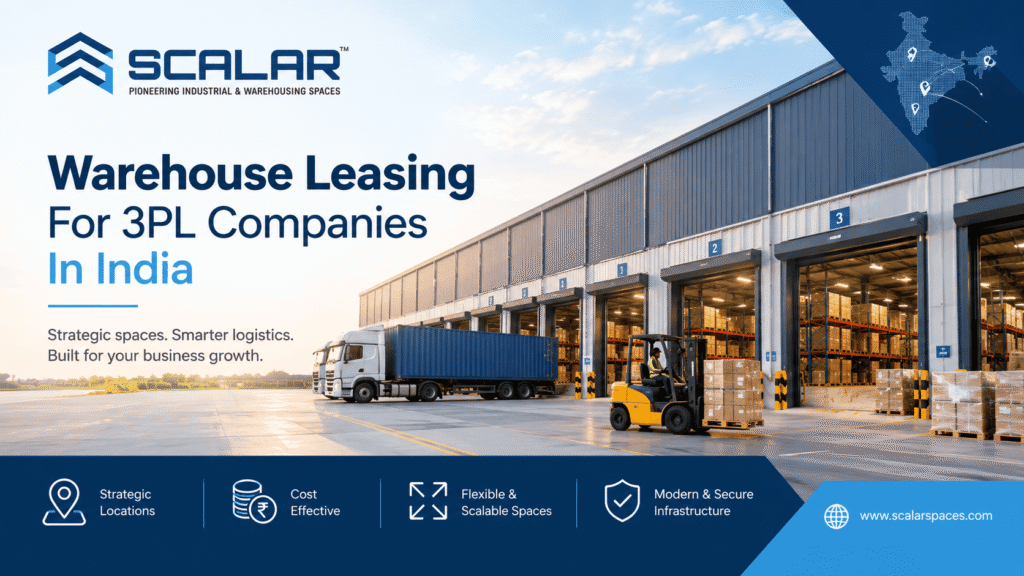
If you have ever wondered what a Grade A warehouse in logistics is, it’s like a top-tier facility for storing goods. It is a modern, purpose-built building with high ceilings, strong flooring, wide column spacing, proper loading docks and strict safety systems.
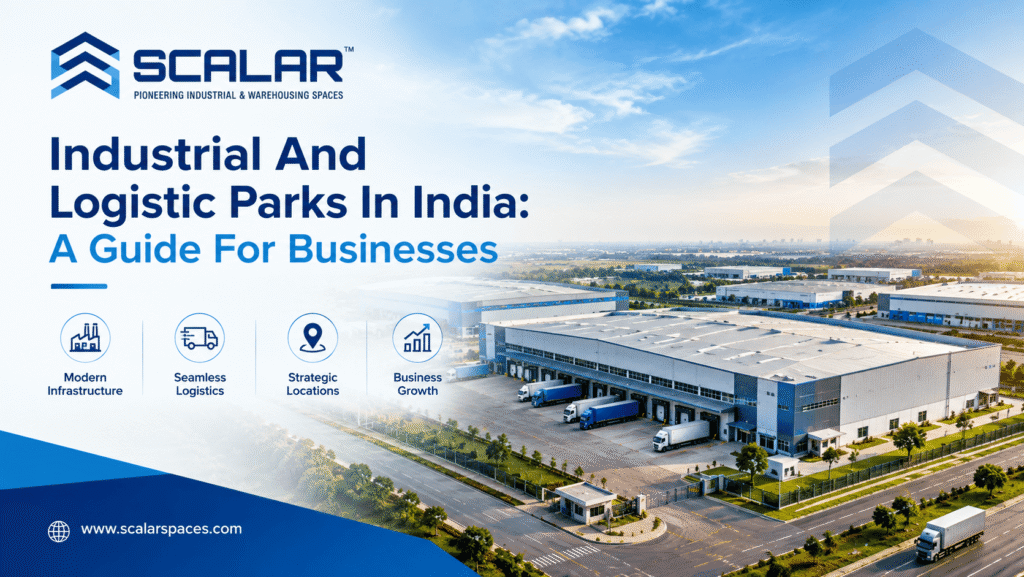
These warehouses are usually located in organised logistics parks with good road connectivity. They are built to handle heavy inventory, fast-moving goods and large truck movement without slowing down your operations.
Businesses looking for Grade A Warehousing Solutions choose them because they cut down errors, reduce damage and keep daily work running smoothly.
Why E-Commerce Needs Grade An Infrastructure?
The E-commerce industry is always on the run. Customers expect same-day or next-day delivery. A basic godown simply cannot keep up with that pressure. Here’s how they help:
- Faster order processing- Wide space between two racks and smart layouts make picking and packing quicker.
- Fewer damaged goods- Strong flooring, good racking and weather-proof roofing protect your stock.
- Easy scalability- During more consumer demands you can scale up your business without chaos.
- Better returns handling- Dedicated space for returns keeps your main inventory clean.
Key Infrastructure Requirements
Not every building with a high roof is a Grade A warehouse. Here are the key features you should look for:
1. Clear Height of 10 to 12 Meters
Higher ceilings allow multi-level racking, so you store more goods in the same footprint.
2. Strong Floor Load Capacity
Flooring should handle heavy racks and forklifts. Flat, joint-free concrete floors (called FM2 grade) help vehicles move smoothly.
3. Wide Column Spacing
Fewer pillars mean better use of space and easier movement of forklifts and pallets.
4. Sufficient Dock Doors and Levelers
Multiple loading bays with dock levelers let several trucks load and unload at once, which cuts waiting time.
5. Fire Safety and Security Standards
When you check fire safety and security standards in Grade A warehouses, look for sprinkler systems, fire hydrants, smoke detectors, and fire exits. For security, expect CCTV surveillance, controlled entry points, trained guards and proper perimeter fencing.
6. Power Backup and Good Lighting
DG sets and ample natural light keep operations running even during power cuts and reduce electricity costs.
7. Technology Readiness
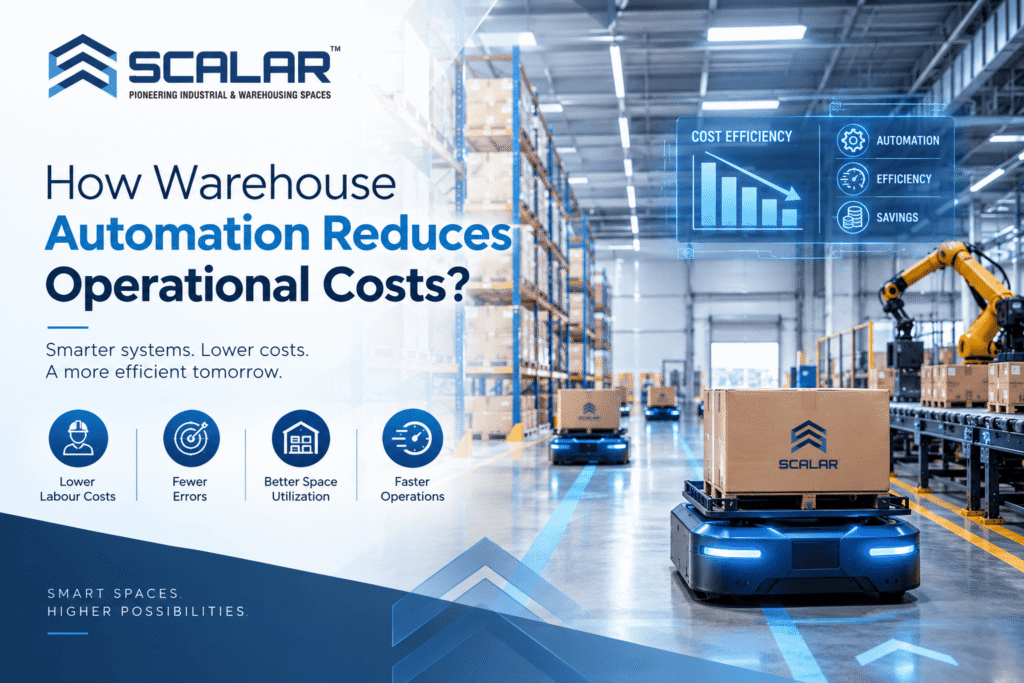
A good facility supports a Warehouse Management System (WMS) for real-time inventory tracking, order accuracy and stock visibility. It should also be ready for warehouse automation such as conveyor belts, barcode scanners and sorting systems as your business grows.
Grade A Vs Grade B Vs Grade C Warehouses:
Let’s quickly check out what are the differences between these three warehouses:
| Feature | Grade A | Grade B | Grade C |
| Clear height | 10 to 12 m | 7 to 9 m | Below 7m |
| Flooring | Jointless, Heavy duty | Standard concrete | Basic or uneven |
| Dock Facilities | Multiple docks with levelers | Limited docks | Mostly manual loading |
| Fire safety | Sprinklers, detectors | Basic extinguishers | Minimal or none |
| Security | CCTV, access control, guards | Limited CCTV | Basic or none |
| Technology support | WMS and automation ready | Limited | Unsupported |
| Best for | E-commerce, 3PL, Large brands | Small to mid-size businesses | Low value, short-term storage |
FAQs
1. How do warehouses fit into e-commerce operations?
A. They store products, process orders, pack parcels, manage returns and send goods to delivery partners.
2. How is e-commerce changing the logistics industry?
A. E-commerce has raised customer expectations for fast delivery, which pushed logistics companies to adopt technology, build bigger fulfillment centres and set up warehouses closer to cities.
3. Where are your warehouses located?
A. Our warehouses are located in Bandamailaram, Kistapur, Maraimalai Nagar, Sohna (Delhi NCR)
Conclusion
Grade A warehouses give e-commerce businesses the space, safety and technology they need to deliver faster and grow without limits. And if you are looking for the Best Warehouse Leasing Service, we at SCALAR SPACES offer modern, secure and flexible warehousing solutions. Get in touch with us today.
Follow Us On Instagram.