


The Future of Warehousing in India: Trends to Watch in 2026

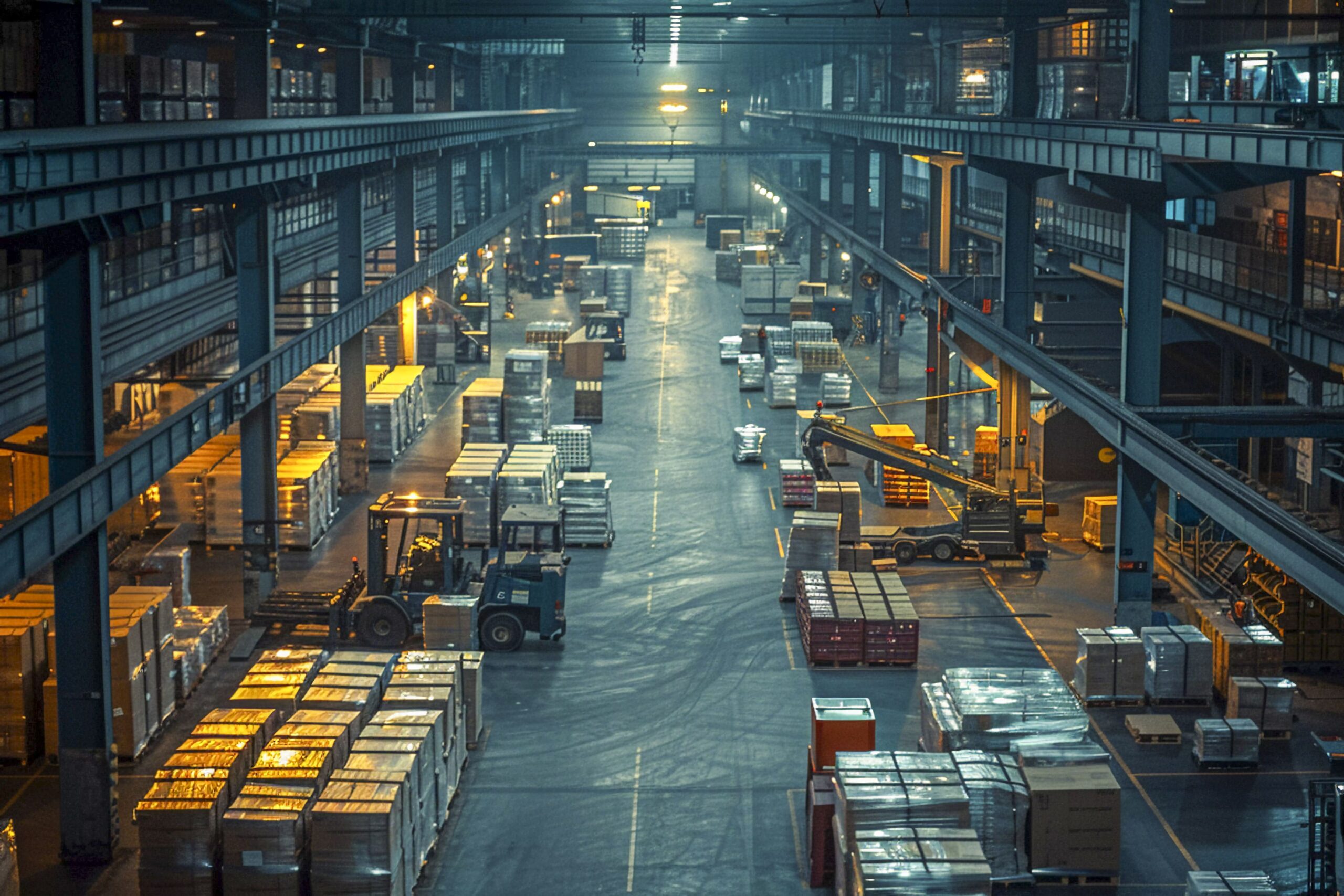
India’s logistics sector is growing and moving at a breathtaking speed. E-commerce growth, manufacturing expansion, and supply chain diversification are transforming the way businesses store and move goods. Many companies are actively looking for smarter system warehouse management solutions that can match this momentum.
But here is the challenge. Traditional warehouses cannot handle rising demand, faster delivery cycles, and digital expectations. Poor layout, outdated software, and poor visibility will lead to expensive inefficiencies and lost opportunities.
In this blog, we will discuss the Future of Warehousing in India, 2026 powerful trends, the types of warehouse management systems that are influencing the industry, and how companies can select the most effective warehouse designs and even investigate rent space warehouse services hyderabad for growth.
The Core Shift in Indian Warehousing
The future is no longer about storage capacity. It is about intelligence, velocity, and agility.
Warehousing in 2026 will be about automation, real-time visibility, data-driven planning, and flexible infrastructure. Companies today do not view warehouses as passive storage facilities. They look at them as high performance distribution hubs that influence profitability, customer satisfaction, and brand trust.
If companies do not modernize, they can face problems of delays, inventory misalignment, increased costs, and loss of competitiveness.
Cost of Ignoring Modernization
- Delays in delivery lower customer trust
- Inventory discrepancies boost operational losses
- Manual operations slow down the dispatch cycle
- Poorly designed layouts result in wastage of prime floor space
- Unavailability of data results in poor forecasting
Research indicates that inefficient warehousing can drive up logistics costs by 15 to 25 percent.
Why Traditional Solutions Fail
Traditional Layout Planning
Most warehouses are designed with traditional racking patterns that do not make effective use of vertical storage and movement routes. Without adopting the best warehouse designs, companies struggle with congestion, slow picking, and wasted square footage. Contemporary design emphasizes the smooth flow of materials, zoned storage, and scalability.
Poor Technology Integration
Some organizations use software but do not integrate it with transport systems, ERP systems, or inventory management software. Real technology integration of the warehouse management system integrates inventory, order management, billing, and reporting into a single synchronized system.
One Size Fits All Infrastructure
Companies invest heavily in owned infrastructure that is not scalable. But due to demand fluctuations, there is a need for scalable infrastructure models such as rent space warehouse services in Hyderabad.
The Right Framework for 2026 Warehousing
To remain competitive, businesses need to have a right framework in place.
- Select scalable warehouse management systems
- Implement automation where the volume justifies the cost
- Design layout using data-driven planning
- Select flexible leasing solutions for growth phases
- Implement warehouse and transport visibility
This will help in building a resilient framework.
Key Advantages of Smart Warehousing
- Faster order fulfillment and improved delivery reliability
- Better inventory accuracy and reduced stock losses
- Stronger data visibility for strategic decisions
- Higher storage efficiency through smart layouts
- Lower operational stress during peak seasons
Modern warehouses become strategic growth assets rather than cost centers.
FAQs
1. What are the types of warehouse management systems available in India?
A. Businesses can choose from standalone systems, cloud based platforms, integrated ERP warehouse modules, and AI powered advanced systems. The right choice depends on order volume, integration needs, and scalability goals.
2. Why is system warehouse management critical in the year 2026?
A. It enables real-time visibility, automation support, accurate inventory management, and quick decision-making. Otherwise, warehouses will find it difficult to meet the increasing demands of e-commerce.
3. What makes the best warehouse designs effective?
A. The best warehouse designs focus on optimized flow, vertical space usage, safety compliance, and flexible storage zoning. Good design directly impacts speed and efficiency.
4. Is renting warehouse space better than owning in Hyderabad?
A. For expanding companies, rent space warehouse services hyderabad provide flexibility, lower capital outlays, and expandability during peak periods.
Conclusion
The future of warehousing in India is smart, automated, and data-driven. Companies that can adjust to new warehouse management systems, adopt new infrastructure, and think differently about traditional warehouse design will be at the forefront of the next logistics revolution.
At Scalar Spaces, we understand evolving industry demands. We provide strategically located, scalable warehousing solutions designed for performance and growth.
Check out our website https://scalarspaces.com/ to discover high-quality warehouse space optimized for the future. Get in touch with us and follow us on Instagram to stay up to date with the next wave of logistics infrastructure.