


E-commerce’s Impact on Warehouse Design in 2026

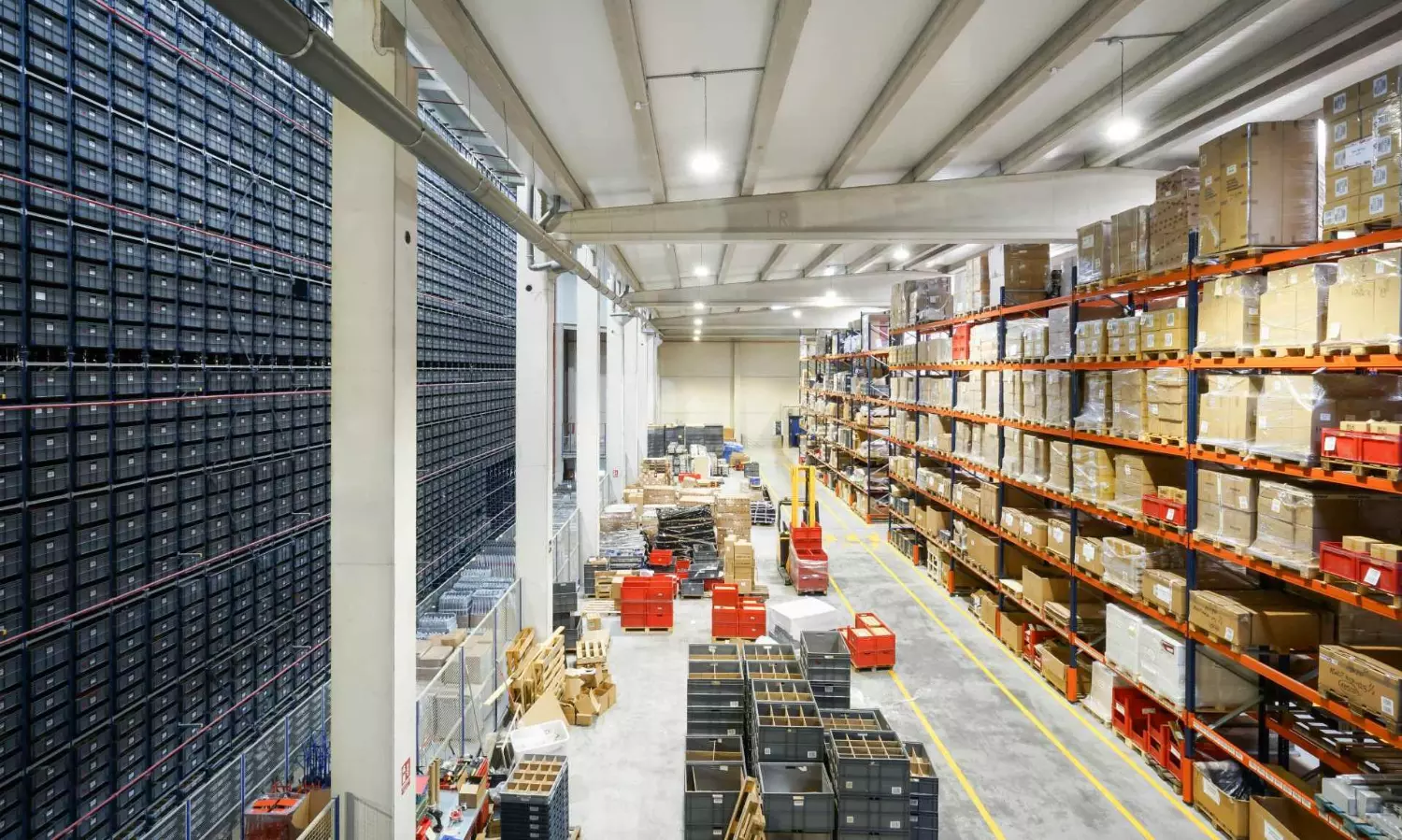
The relentless march of e-commerce has fundamentally reshaped the retail landscape, and its ripple effect on warehouse design is nothing short of revolutionary. As we look towards 2026, the traditional image of a cavernous storage facility is giving way to highly intelligent, agile, and technologically advanced hubs of efficiency. This blog post will delve into how e-commerce is not just influencing but dictating the evolution of warehouse layouts, operational strategies, and even the very fabric of the supply chain.
From Storage to Strategic Hub: How Warehouse Design Has Evolved
Historically, warehouses were static holding pens for goods. Today, with the push from e-commerce trends and the demand for instant gratification, they are dynamic nerve centres for fulfilment. The shift from bulk storage to pick-and-pack operations for individual orders has necessitated a complete overhaul of internal structures. We’re seeing a move towards smaller, more numerous SKUs and a greater emphasis on order accuracy and speed of delivery. This evolution is directly linked to the burgeoning e-commerce market, projected to continue its robust growth with global online sales projected to be above earlier estimates. This push is fueled by aggressive consumer expectations for delivery speed and convenience.
Key Technological Advancements & Rise of Automation
At the heart of this transformation is technology. Automation and robotics are no longer things of the future but integral features of today’s e-commerce warehouses. From Automated Guided Vehicles and Autonomous Mobile Robots to highly developed shuttle systems and robotic picking arms, these technologies are focused on optimising every aspect of the warehouse floor: streamlining processes like inventory management, order fulfilment, and even returns processing-something that’s still labour-intensive and prone to human error-along with greatly reducing such errors and lowering the cost of labour. Now, with AI and data analytics built into warehouse management, predictive modelling enables high accuracy in forecasting demand fluctuations and thus places inventory in ideal locations, reimagining successful warehouse redesigns.
Sustainability and the Green Warehouse
In addition to efficiency, sustainability considerations are increasingly paramount in the warehouse design for e-commerce. Companies are acknowledging how this is crucial in being able to reduce their carbon footprint. It then involves designs incorporating renewable energy sources such as solar panels, energy-efficient lighting systems, and optimal building materials. The goal is to create eco-friendly warehouses that minimize waste and operational costs while adhering to growing regulatory considerations. This also includes innovations in packaging and shipping that minimize void fill and material waste, which subsequently affects warehouse storage and handling needs.
The Future & Challenges Ahead
Looking ahead, future predictions for warehouse design include even greater integration of Internet of Things (IoT) devices for real-time tracking and enhanced data collection. We will see further advancements in vertical storage solutions to maximize space in urban areas, driven by the importance of location and logistics.
Yet, how to meet these demands is a challenge to warehouses. The initial investment for automation would be huge; moreover, a skilled workforce will also be required to manage such advanced systems. Management and training of the workforce will be really crucial regarding the technical skills and problem-solving, besides ensuring the importance of safety and ergonomics for the tasks of humans. In addition, the chronic effects of worldwide supply chain problems urgently require a robust, flexible warehouse strategy.
Optimizing Space and Efficiency
Approaches to optimizing space and efficiency are multifaceted, including high-density storage solutions, advanced WMS for route optimization of picking paths, and cross-docking, where the time that inventory is stored can be minimized. The future integration of technologies, such as drone-based inventory scanning, will continue to change how warehouses work and will require highly flexible and adaptive layouts.
FAQs
1. How quickly does a traditional warehouse adapt to e-commerce demands?
A. The adaptation of a conventional warehouse is a major task that, in most cases, has to be done in phases. The timeline required varies from 12-24 months for major upgrades-including infrastructure changes and automation, right up to a number of years depending on the scale and size of existing infrastructure. Adaptation speeds are more often than not related to the level of investment laid down in technology and re-training of staff, which, again, is very much crucial for workforce management and training.
2. What are the major benefits from investing in the automation of warehouses for e-commerce?
A. Benefits include greatly increased operational efficiency, reduction of labor costs, higher order accuracy, faster order fulfillment times, and higher throughput capacity. Automation also improves worker safety by taking over repetitive or dangerous tasks and provides valuable data for continuous optimization through AI and data analytics.
3. How will the hyper-localisation of inventory impact the global warehouse network in 2026?
A. The need for ultra-fast delivery will see hyper-localisation drive a proliferation of smaller, highly automated micro-fulfilment centres placed at strategic points across urban areas. This will result in a much more distributed, global warehouse network that will complement larger regional distribution centres. Increasingly, this also places pressure on existing infrastructure while calling for sophisticated logistics software to manage inventory across this fragmented network that addresses dependence on location and logistics.
4. What are some of the unexpected ethical issues that could surface due to increased reliance on AI with respect to decision-making in warehouses?
A. With AI and data analytics at the core of warehouse management, ethical concerns on data privacy, especially regarding worker performance monitoring, could arise; AI algorithms are also very prone to potential bias, which might inadvertently affect staffing or resource allocation. Transparency in decision-making will be paramount in ensuring algorithmic fairness and human oversight. Particularly, the demand for quick fulfillment conflicts with workers’ well-being and the importance of safety and ergonomics.
Conclusion
The future of 2026 warehouse design encompasses intelligent automation, strategic efficiency, and sustainable practices. Nothing less than dynamic, technologically advanced facilities can meet the ever-increasing expectations of the consumer brought about by the e-commerce revolution.
Ready to future-proof your logistics operations? Let Scalar Spaces help you with cutting-edge warehouse design strategies to transform your fulfillment for the e-commerce era. Visit scalarspaces.com today for a consultation, and unlock your next level of operational efficiency.
Follow us on Instagram.