


The ROI of Sustainability: Unlocking Profitability Through Green Warehouses

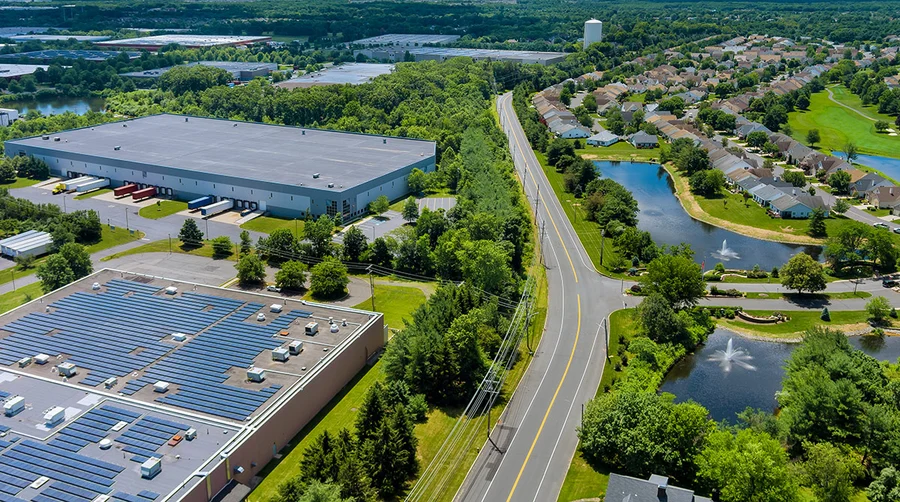
In the fast-paced world of the supply chain and logistics industry, green warehousing is no longer a topic of the future but the future itself has arrived, and it’s an economic necessity. Today, organizations are increasingly pondering the question, “Can sustainability drive improved profitability?” And the loud and clear answer to this question is a resounding “yes.” Rising energy prices, environmental regulations, and the momentum of green consumers are, in fact, driving the success of sustainable warehousing solutions.
What Green Warehouses Are and Why They Are Important
Green warehouses refer to the storage and distribution centers that are built and designed with sustainability in their focus. These warehouses are environmentally friendly and reduce their impacts on the environment through the use of energy-efficient systems, renewable resources, and the implementation of appropriate technologies. Traditional warehouses tend to consume huge amounts of energy and are carbon-intensive, whereas green warehouses focus on the conservation and preservation of resources.
The modern marketplace calls for sustainability in warehousing. Consumers feel more and more inclined towards supporting companies whose values mirror their own, and in particular, environmental responsibility. The result is that companies pursuing green warehousing concepts enjoy higher brand loyalty.
Principal Benefits of the Implementation of Sustainable Practices within Warehouse Operations
1. Large Cost Savings and Operational Efficiency
Cost savings are definitely another important and attractive reason to follow sustainable warehousing practices. LED energy-efficient warehouse technology can save energy consumption by as much as 40% to 70% compared to existing technology used in warehousing. Smart air conditioning and insulation systems assist in lowering energy consumption by as much as 20% to 30% with some systems. Such interventions result in predictable financial paybacks from sustainable warehousing within 2 to 5 years.
2. Increased Operational Efficiency and Productivity
Green warehouses may incorporate technology such as Warehouse Management Systems, sensors, and automation technology for warehouse sustainability. The technology maximizes space, eliminates waste, and consequently brings in up to 18% efficiency gains in their operations.
3. Improved Brand Value & Competitiveness
There is growing demand for eco-friendly storage solutions from consumers as well as business partners. Being able to promote storage solutions that meet green building standards like LEED or IGBC is an important factor in building business reputation and also helps increase property value by as much as 20%.
4. Lower Supply Chain Costs
Integrating sustainable warehousing solutions across logistics can reduce total supply chain expenses by around 10% through energy savings, waste reduction, and improved route planning. Green warehouses also reduce risk exposure related to energy price volatility, helping businesses remain resilient.
The Role of Technology in Enhancing Sustainability in Warehouses
Contemporary green warehouses implement the latest technologies helpful in ecological cause and increasing profits:
- IoT Sensors & Real-Time Monitoring: Monitor energy consumption, temperature, and lighting to prevent waste.
- Warehouse Management Systems (WMS): optimise inventory placement and reduce unnecessary movement, lowering energy consumption.
- Automation & AI: automate processes, minimize labour expenses, and optimize resource allocation.
- Electric Material Handling Equipment: electric forklifts, for example, reducing operating expenses by 25-50% compared to diesel-powered options.
Common Misconceptions About the Costs of Going Green
Many businesses hesitate due to misconceptions about costs:
Myth: Green Warehouses Are Too Expensive
While upfront costs like solar panels or advanced warehouse technology can be significant, long-term financial benefits of sustainable warehousing often offset initial investments within a few years.
Myth: Sustainability is Only About the Environment
In reality, sustainable warehousing solutions enhance business value, reduce risks, and position companies to meet regulatory standards and consumer expectations, all of which impact the bottom line.
Future Outlook for Sustainable Warehousing
With the increasing adoption of sustainability in warehousing practices, the following key trends are defining the future:
- Growth in Green Certified Warehouse Space: Regions such as India are expected to experience a near-fourfold rise in green warehouse spaces in India by 2030.
- Advanced Data Analytics & AI: The predictive analytics capability would improve the ability of warehouses to cut energy consumption.
- Renewable Energy Integration: More plants will turn to solar, wind, or other renewables as the cost of the technology goes down.
- Circular Supply Chain Practices: Reducing waste and sustainable packaging will be an essential part of warehousing.
FAQs
1. How soon can a green warehouse expect to see ROI?
A.The majority of investment in the green warehouse involves lighting solutions like solar panels or LED lighting upgrades; thus, a return on investment is achieved between 2-5 years.
2. Are there government incentives for sustainable warehouses?
A. Many regions offer incentives like tax credits, rebates, and accelerated depreciation for renewable energy in warehouses and energy-efficient warehouse technologies, helping improve ROI and lower upfront costs.
3. How does sustainability affect employee productivity?
A. Green warehouses with better air quality, natural light, and efficient layouts often see higher employee engagement and fewer errors, contributing to faster operations and reduced turnover.
4. Can smaller businesses afford sustainable warehouses?
A. Absolutely. Sustainable warehousing can be achieved through incremental means. For example, one can implement LED light or waste management projects that will immediately save us money for future projects.
Conclusion
Sustainability has transitioned from being a positive force for the environment into a sound business decision. For businesses interested in reducing costs, increasing efficiency, and securing supply chains, investing in environmentally friendly warehousing makes great ROI sense.
Now that you are ready with yet another step forward! Partner with Scalar Spaces today and see how our sustainable warehousing solutions can assist you in scaling your business and building a sustainable world around you by following us on Instagram and LinkedIn. Together we can build sustainable and efficient logistics hubs.