


How to Manage a Multi-Warehouse Network

Why a Multi-Warehouse Network Matters
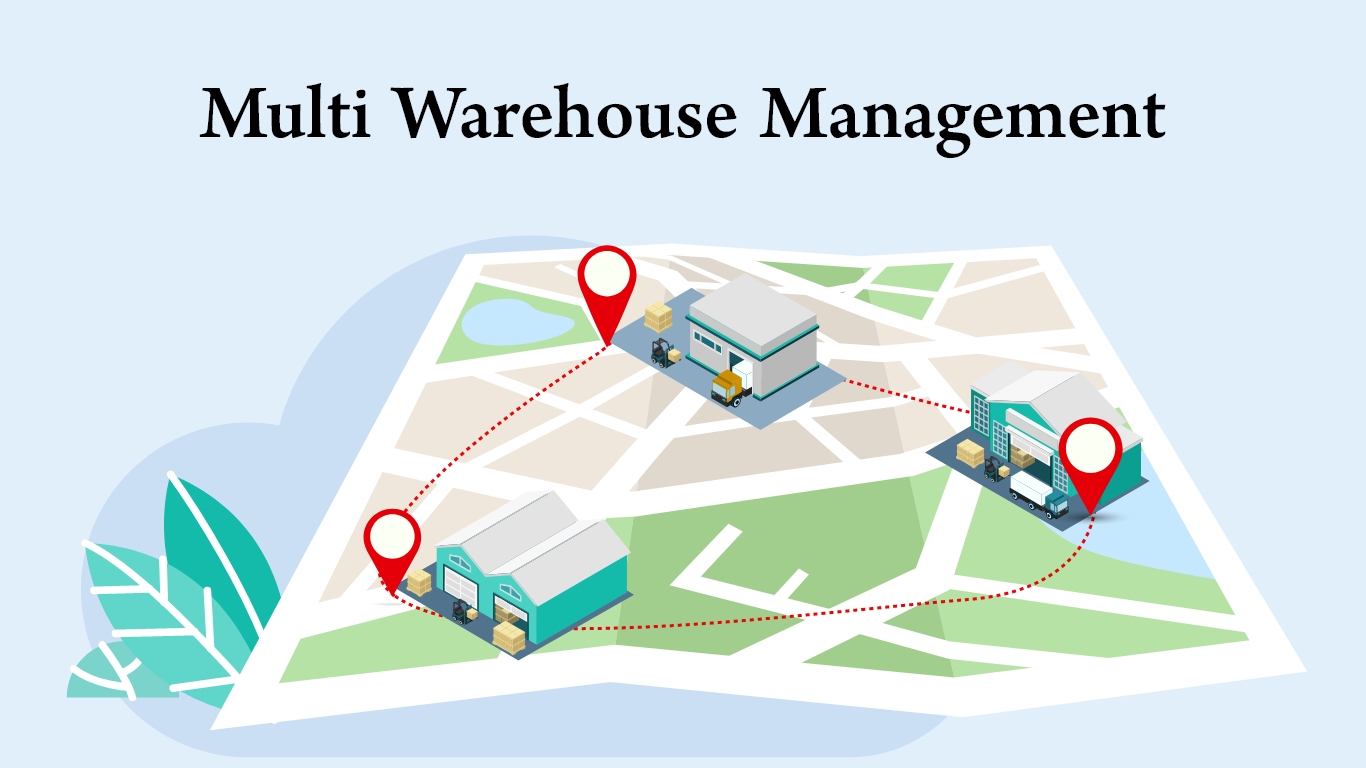
In the current rapidly changing logistics environment, companies have the challenge of delivering goods quickly, lowering costs, and accessing their target market efficiently. Through the proposed warehouse strategy, companies are able to achieve this through geographical proximity between warehouses and key markets. As a result of the growth of online shopping, high-quality warehousing solutions, including warehouse leasing, have gained significance for companies that wish to remain competitive.
Top Challenges in Handling Multiple Warehouses
There are additional challenges to running more than one warehouse, which include the
- Absence of real time visibility across all locations
- Duplication of inventory and inconsistencies
- Higher operating cost because of transportation and handling
- Lack of forecasting accuracy for regional demand requirements
- Workforce management and skill gaps
- Monitoring performance and ensuring consistency
These challenges have to be overcome to achieve efficient logistics and satisfied customers.
Inventory Optimization with Multiple Facilities
Managing inventory is a key area in ensuring warehouse efficiencies, especially in a multi-warehouse setting. Some of these include
- Data-Driven Forecasting: It helps in predicting the demand for the region and also optimizes the allocation of stock. It prevents inventory shortages and leftover inventory.
- Distributed Inventory Model: A built-to-suit facility location within a premium warehousing property closer to high-demand markets will provide for quicker distribution and reduced costs.
- SKU Rationalization: Not all SKUs must be present within all warehouses. SKU data analysis enables distribution of SKUs where they are required the most.
Technological Solutions for Multi-Centralized Warehouse Administration
The modern logistics industry is very much dependent on technology. The most important tools used in this are
- Warehouse Management Systems (WMS): An effective WMS solution would include real-time visibility, automated reporting capabilities, barcode scanning functionality, and optimized pick routes. It would enable seamless coordination of different facilities.
- IoT and Automation: IoT sensors make processes smarter and more accurate. Automation through robots and transport systems quickens business processes. IoT sensors are capable of tracking inventory and monitoring resources.
- Cloud-Based Dashboards: Cloud technology also enables a shared source of truth among all the warehouses, whether Grade A, Leased, or an industrial storage lease structure.
Communication & Coordination
Regardless of the role of technology, people remain at the forefront of any effective operations
- Integrate unified communication platforms for updates and reporting
- Develop SOPs to provide uniformity in process execution in different locations
- Performing routine training sessions for improving safety and accuracy
- Develop cross-functional teams for rapid problem-solving
Well-trained teams, as well as proper communication, can enhance productivity, with reduced risks in operation.
Role of Data Analytics
Data analysis is a critical area that needs monitoring of performance. Performance measurements concerning Multi-warehouse performance metrics, include order fulfillment, stock turns, and time of delivery, which aid in decision-making by the manager.
Impact of E-Commerce Growth
The rising trend of online shopping has made multi-location warehouse strategies an essential need. Customers want faster delivery, real-time tracking, and returns that are hassle-free. Locating warehouses in premium warehousing real estate, close to the source of demand, helps increase customer satisfaction and reduce operational expenditures.
Determining the Most Suitable Warehouse Locations
When looking into new facility developments, the following should be taken into consideration
- Locations near high demand customer areas
- Availability of highways, seaports, and transportation nodes
- Local force availability
- Cost of operation & Scalability
- Integration with supply chain technology
Tools like demand heat maps help identify the best locations for new warehouses and leased facilities.
Warehouse Sustainability
Eco-friendly practices are on the rise. Using energy-efficient lighting, solar panels, optimized routes, and reducing waste helps reduce costs and pollution. This is in line with what customers want and what builds a better brand reputation for businesses.
Workforce Management and Training
In a multi-warehouse model, training of employees ensures that there is safety and consistency. Technology training and accuracy of orders are some of the most prominent aspects that are covered.
Customer Service: An Advantage in a Warehouse
A well-functioning warehousing system significantly affects overall customer satisfaction. This takes the form of proper deliveries, return policies, as well as notifications regarding orders.
Measuring Multi-Warehouse Performance
Track the following keys to measure success:
- Order Accuracy rate
- Inventory turnover
- Inventory speed of
- Cost per order
- Stockout frequencies
- Warehouse space
Performance tracking identifies deficiencies and encourages improvement.
FAQs
1. How can several warehouses be efficiently handled at a time?
A. With real-time data visibility and analytics, inventory can be optimally located within the warehouses.
2. How can companies cut costs when dealing with a multiple-warehouse network?
A. Leverage premium warehousing, locate inventory geographically closer to your consumers, automate your operations, and watch your key performance indicators for areas for improvement.
3. Does sustainability influence warehouse profitability?
A. Yes, in that green practices lower energy costs and improve business reputation; this in turn enhances profitability.
4. Are automation and technology required in small multi-warehouse businesses?
A. Even smaller installations can benefit from basic WMS functionality, barcode scanning, and reporting.
Conclusion
Be it managing multiple warehouses or simply increasing the delivery speed, everything needs proper planning. Help is available for those who are looking for warehouse leasing services options, premium warehouses, or build-to-suit warehouses. Everything has to be managed properly, or it might create complications for businesses.
Learn how intelligent warehousing solutions can impact your logistics and follow us on Instagram and LinkedIn to learn more from Scalar Spaces.